Forklift Servicing: How Often and a Maintenance Checklist
Forklift servicing should be planned around how the machine is used, not treated as a once-a-year task. Operating hours, load conditions, environment, fuel type and manufacturer guidance all influence the right service interval.
A forklift working long shifts outdoors may need attention sooner than a lightly used warehouse machine. This guide explains how to plan servicing and provides a practical checklist for daily, weekly and scheduled maintenance.
How often should a forklift be serviced?
There is no universal interval that suits every machine. The manufacturer’s service schedule, operating-hour meter and site conditions should be used together.
Many businesses plan servicing after a set number of operating hours or at a time interval, whichever comes first. High-use machines, dusty sites, uneven surfaces, heavy loads and frequent attachment use may justify more frequent inspection.
If the service history is unclear, arrange an inspection rather than waiting for a fault. A baseline condition report can help establish priorities and a practical maintenance schedule.
Daily pre-start checks
Operators should complete a pre-start check before using the forklift. The purpose is to identify visible defects or unusual behaviour before the machine enters service.
- Tyres, wheels and wheel nuts
- Forks, carriage and locking pins
- Mast, chains and rollers
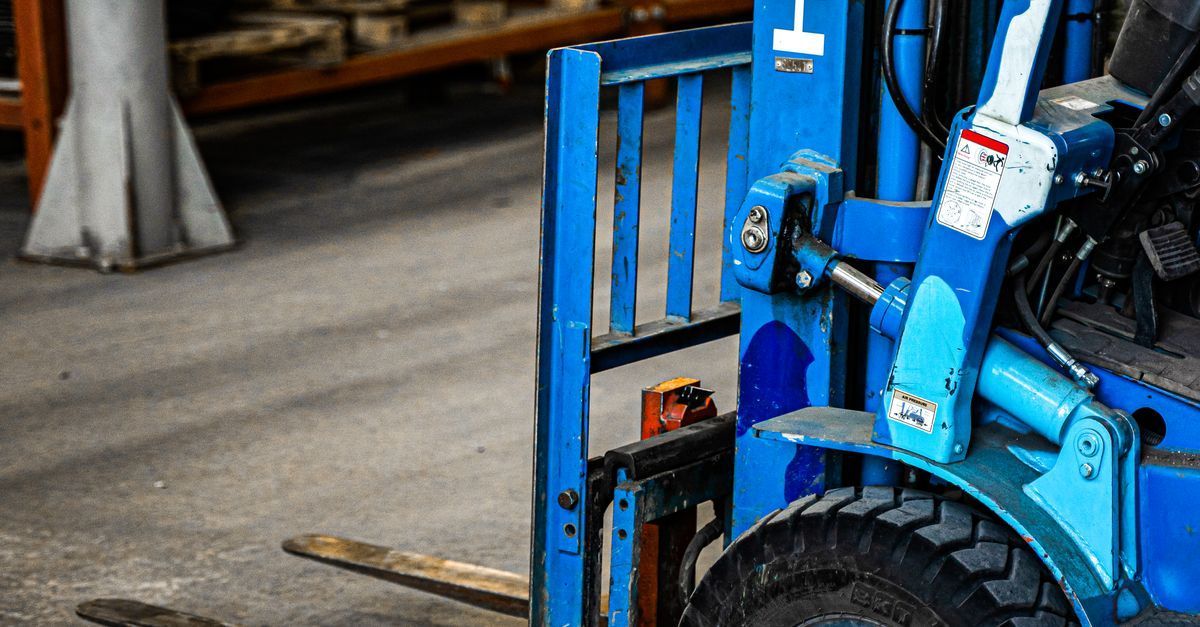
- Hydraulic hoses, cylinders and visible leaks
- Brakes, steering and controls
- Horn, lights, alarms and safety devices
- Seat, restraint and overhead guard
- Fuel, battery charge or LPG connection
- Capacity plate and warning labels
- Attachments and securing mechanisms
Any defect that could affect safe operation should be reported and assessed before the forklift is used. Operators should not attempt repairs beyond their training and authority.
Weekly housekeeping and condition checks
Weekly checks can help identify developing issues that may not be obvious during a quick pre-start inspection. The exact tasks should follow the machine’s manual and workplace procedure.
Clean around the mast, radiator area, battery compartment and operator controls where appropriate. Check for debris, damaged covers, loose components and signs of wear.
Review the fault log as well. Repeated reports about steering, braking, warning lights or hydraulic performance may indicate a problem that needs formal diagnosis.
Scheduled servicing tasks
A scheduled service may include engine oil and filters, hydraulic checks, cooling system inspection, brake adjustment, mast inspection and electrical testing. The work required varies between diesel, LPG and electric forklifts.
Technicians may also inspect chains, forks, carriage components, tyres, steering, safety devices and attachment condition. Wear measurements and service records help track changes over time.
For mobile support on the Gold Coast and surrounding areas, learn more about forklift servicing and repair services.
Electric forklift maintenance
Electric forklifts remove some engine-related maintenance, but they still require planned care. Battery condition, charging equipment, cables, connectors and electrical controls need inspection.
Battery maintenance depends on the battery type. Charging practices, ventilation and electrolyte procedures should follow the manufacturer’s instructions and workplace controls.
Brakes, tyres, hydraulics, mast components and safety systems still experience wear, so electric should not be interpreted as maintenance-free.
Diesel and LPG forklift maintenance
Combustion-powered forklifts require attention to engine oil, filters, cooling, fuel systems and exhaust components. Dust, heat and extended outdoor use can increase service demands.
For LPG machines, inspect approved fuel-system components and connections as required. Fuel leaks, unusual smells or damaged fittings should be treated seriously and assessed by a suitable technician.
Revolution Forklifts also supports diesel equipment through its diesel fitting services.
Forks, chains and mast components
Forks and lifting components are safety-critical. Look for cracks, bending, uneven fork height, worn heels, damaged locking devices and other visible changes.
Chains, rollers and mast channels should be inspected and maintained according to the service schedule. Lubrication should only be completed using the correct product and method.
A damaged fork or lifting component should not remain in service simply because the forklift can still move.
Tyres and wheels
Tyre condition affects stability, braking, steering and operator comfort. Check for chunking, flat spots, cuts, excessive wear and embedded objects.
Uneven wear can indicate alignment, floor or operating issues. Wheel fasteners and rims should also be included in the inspection process.
Warning signs that servicing is overdue
- Slow or jerky hydraulic movement
- Unusual noise, vibration or exhaust smoke
- Fluid leaks
- Reduced braking or steering performance
- Warning lights or repeated fault codes
- Rapid battery discharge
- Uneven tyre wear
- Difficulty starting
- Excessive mast movement
These signs do not identify the exact fault, but they indicate that the forklift should be assessed. Continuing to operate can increase repair cost and downtime.
Simple forklift maintenance checklist
Before each shift
- Complete the pre-start inspection
- Check fluids, fuel or battery status
- Test brakes, steering, horn and controls
- Inspect forks, mast and attachments
- Record and report defects
Each week
- Review fault reports
- Clean appropriate service areas
- Inspect tyres and visible components more closely
- Check charging or refuelling equipment
- Confirm service hours and upcoming maintenance
At scheduled intervals
- Follow manufacturer service requirements
- Replace required oils, filters and consumables
- Measure wear on forks, chains and tyres
- Inspect brakes, steering, hydraulics and electrical systems
- Update the service record
Keep useful service records
Records should show service dates, operating hours, completed work, identified defects and replaced parts. This makes it easier to plan maintenance and understand recurring issues.
Good records are also useful when selling a machine or reviewing whether a forklift remains economical to operate. Businesses considering replacement can explore new and used forklift sales.
Plan servicing before downtime becomes urgent
Regular servicing cannot prevent every fault, but it can identify wear early and make maintenance more predictable. The best schedule is based on the machine, its workload and the environment in which it operates.
Explore our forklift servicing options for maintenance and repair support. To arrange an inspection or discuss a service schedule, contact our team with the machine details, operating hours and current concerns.