Types of Forklifts: Which One Is Right for Your Site?
Choosing a forklift is not only about lifting capacity. The work area, load type, lift height, surface, aisle width, operating hours and fuel requirements all influence which machine will perform safely and efficiently.
This guide compares the most common forklift types used across warehouses, logistics facilities, construction sites and industrial operations. It will help you narrow down the right category before arranging hire or purchase.
Counterbalance forklifts
Counterbalance forklifts are among the most widely used forklift types. The forks extend from the front of the machine, while weight at the rear helps balance the load.
They are suitable for pallet handling, truck loading, warehouse work and general materials movement. Models are available in electric, diesel and LPG configurations, making them adaptable to a broad range of sites.
They still require adequate turning space, so aisle width and access should be checked before selection.
Electric forklifts
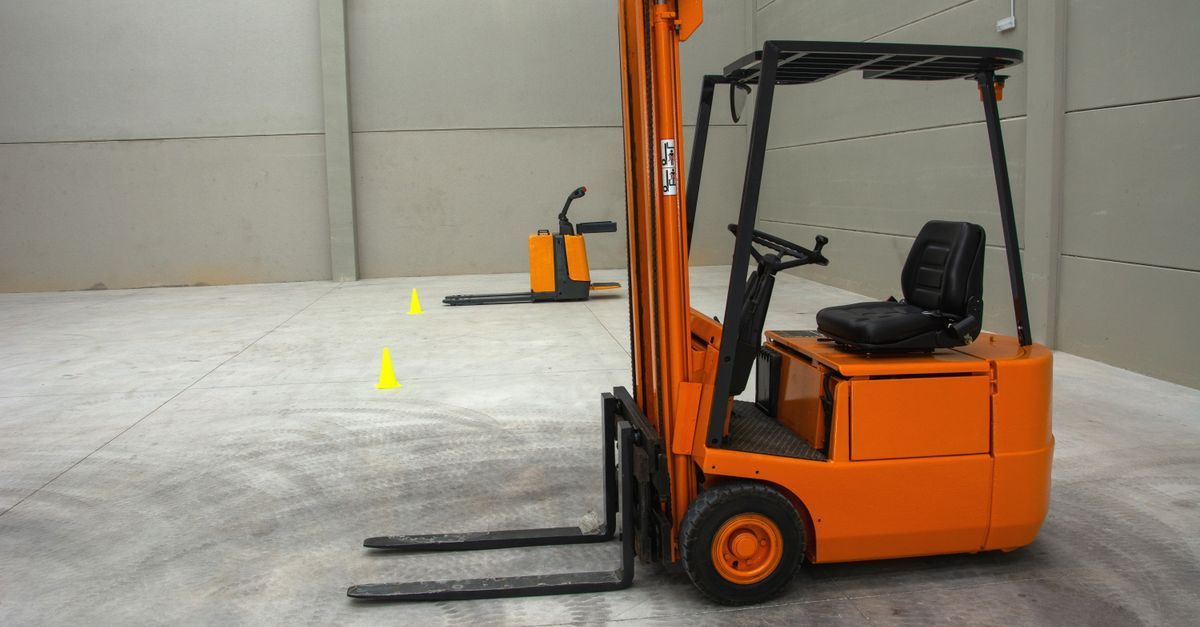
Electric forklifts are commonly used indoors because they produce no exhaust emissions at the point of use and generally operate more quietly than combustion-powered machines. They suit warehouses, food distribution, manufacturing and other enclosed environments.
Battery capacity, charging access and operating hours need to be planned. A business running multiple shifts may require a charging strategy or additional battery capacity.
Electric models can also reduce routine engine maintenance, although batteries, electrical systems, tyres, brakes and hydraulics still require regular inspection.
Diesel forklifts
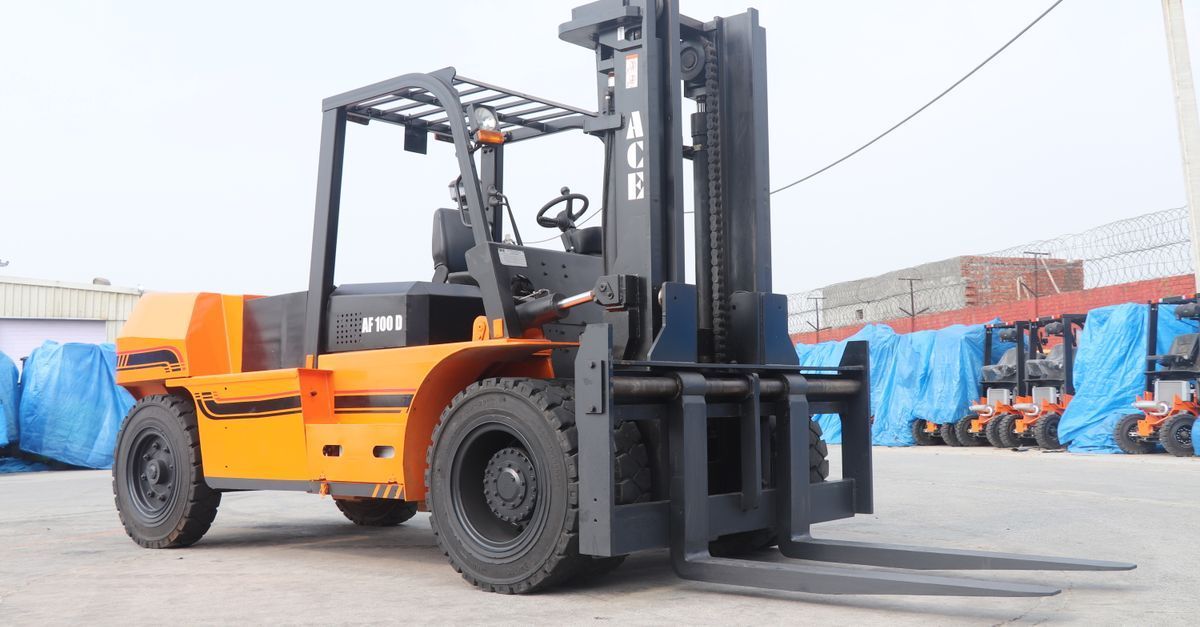
Diesel forklifts are often chosen for outdoor work, heavier loads and demanding industrial environments. They can suit construction sites, yards, freight operations and areas where machines work for extended periods.
They typically offer strong torque and practical refuelling, but ventilation and emissions make them less suitable for many enclosed spaces. Ground conditions, tyre selection and weather exposure also need to be considered.
For machines used in demanding environments, planned forklift servicing and maintenance helps manage wear and reduce avoidable downtime.
LPG forklifts
LPG forklifts provide a flexible option for businesses that move between covered and open work areas. They can be refuelled quickly and are available across a wide range of capacities.
They may suit warehouses with appropriate ventilation, loading areas and mixed indoor-outdoor operations. Fuel storage and cylinder handling procedures should be factored into the site plan.
Reach trucks
Reach trucks are designed for high racking and narrow warehouse aisles. Their mast and fork configuration allows the load to be placed into racking while keeping the machine relatively compact.
They are generally intended for smooth indoor floors rather than rough outdoor surfaces. Lift height, aisle width, racking layout and load stability are key selection factors.
A reach truck can improve space use in a warehouse, but it should be matched carefully to the racking system and required height.
Pallet trucks and walkie stackers
Powered pallet trucks move palletised loads over shorter distances at floor level. Walkie stackers add the ability to lift pallets to lower or medium storage heights.
These machines can suit smaller warehouses, retail stockrooms and operations where a full-size forklift is unnecessary. They may also be useful as supporting equipment alongside a larger fleet.
Travel distance, floor condition, load weight and required lift height will determine whether a pallet truck, stacker or counterbalance forklift is the better option.
Rough-terrain forklifts
Rough-terrain forklifts are built for outdoor surfaces such as compacted ground, gravel and construction areas. They typically provide higher ground clearance and tyres designed for uneven conditions.
They are not a substitute for checking surface stability. Slopes, soft ground, potholes and changing weather conditions can still affect safe operation.
When arranging forklift hire for an outdoor site, provide clear information about access, surface conditions and the load.
Telehandlers
Telehandlers use a telescopic boom to provide forward reach and greater versatility than a conventional forklift. Depending on the machine and approved attachment, they may handle pallets, suspended loads or other site materials.
They are common on construction and agricultural sites where reach and uneven ground capability are important. Capacity changes as the boom extends, so load charts and operating limits must be understood.
How to compare forklift types
Start with the job rather than the machine. Record the maximum load weight, load dimensions, required lift height and the distance the forklift needs to travel.
- Indoor, outdoor or mixed operation
- Smooth floor or uneven ground
- Maximum load and load centre
- Required lift height
- Aisle width and turning space
- Doorway and overhead clearances
- Daily operating hours
- Fuel or charging access
- Required attachments
These details help determine both forklift type and capacity. Photos and site measurements can also reduce uncertainty.
Hire or buy?
Hire can suit short projects, seasonal demand, temporary fleet gaps and businesses that want flexibility. Buying may be more appropriate where the same machine will be used consistently over the long term.
Businesses comparing ownership options can review new and used forklifts for sale. The best decision depends on utilisation, budget, maintenance capability and how predictable the workload is.
Choose a forklift that fits the work
The right forklift should suit the load, site and operating pattern without being unnecessarily large or complex. A well-matched machine can improve productivity, access and day-to-day usability.
Explore our forklift hire service to review available options. For practical help choosing a forklift type, contact our team with your load details, site conditions and preferred timeframe.